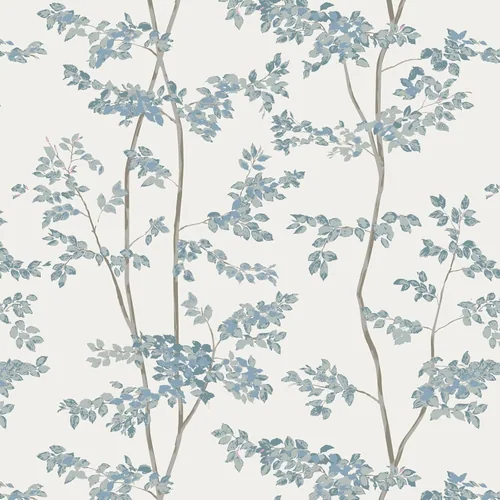
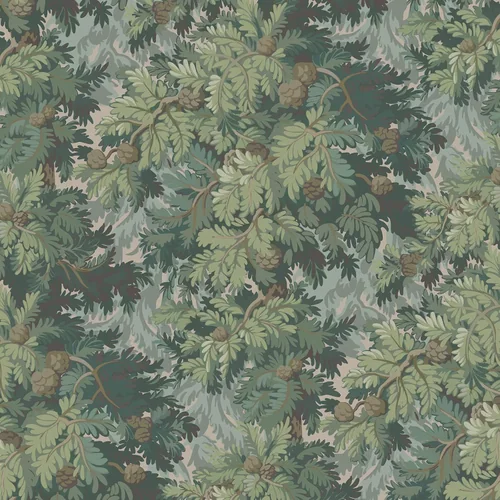
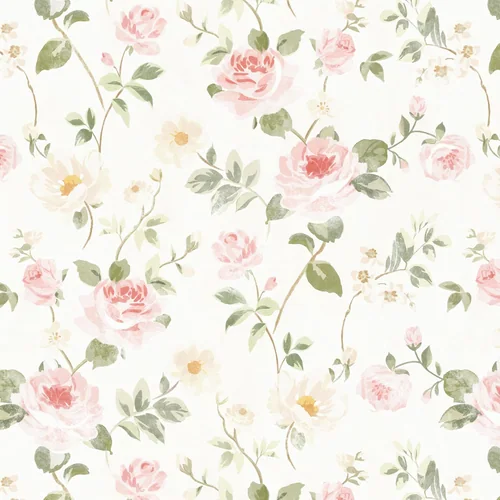
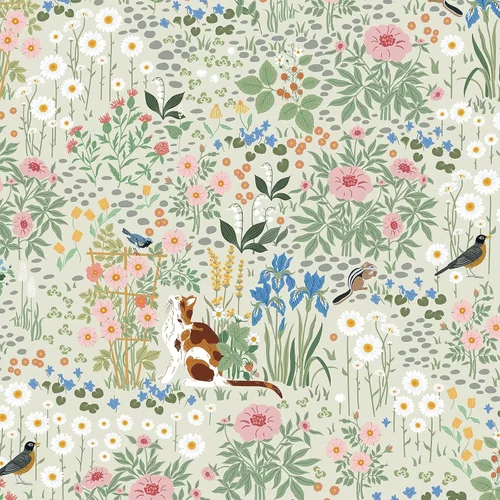
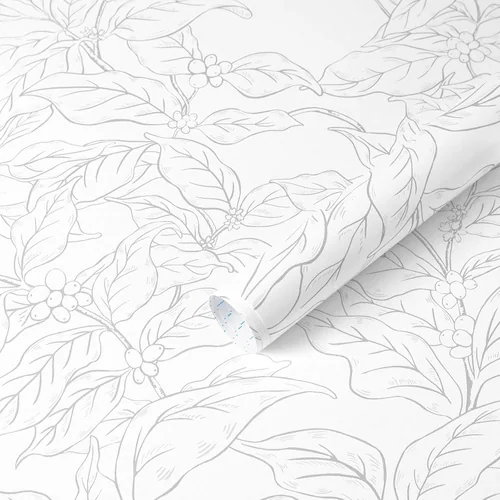
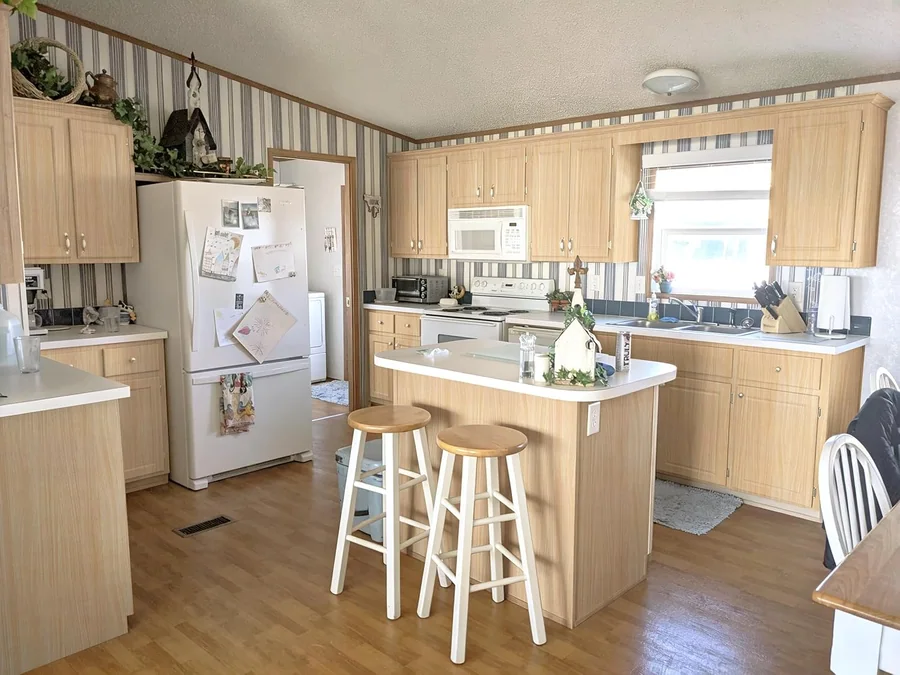
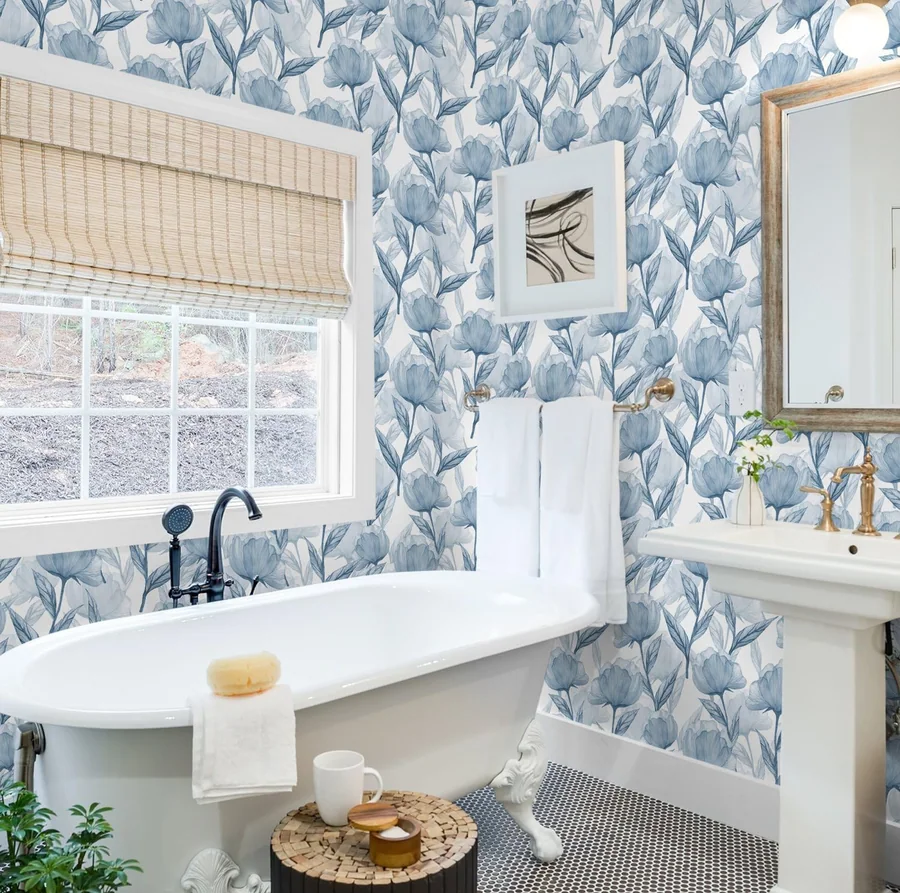
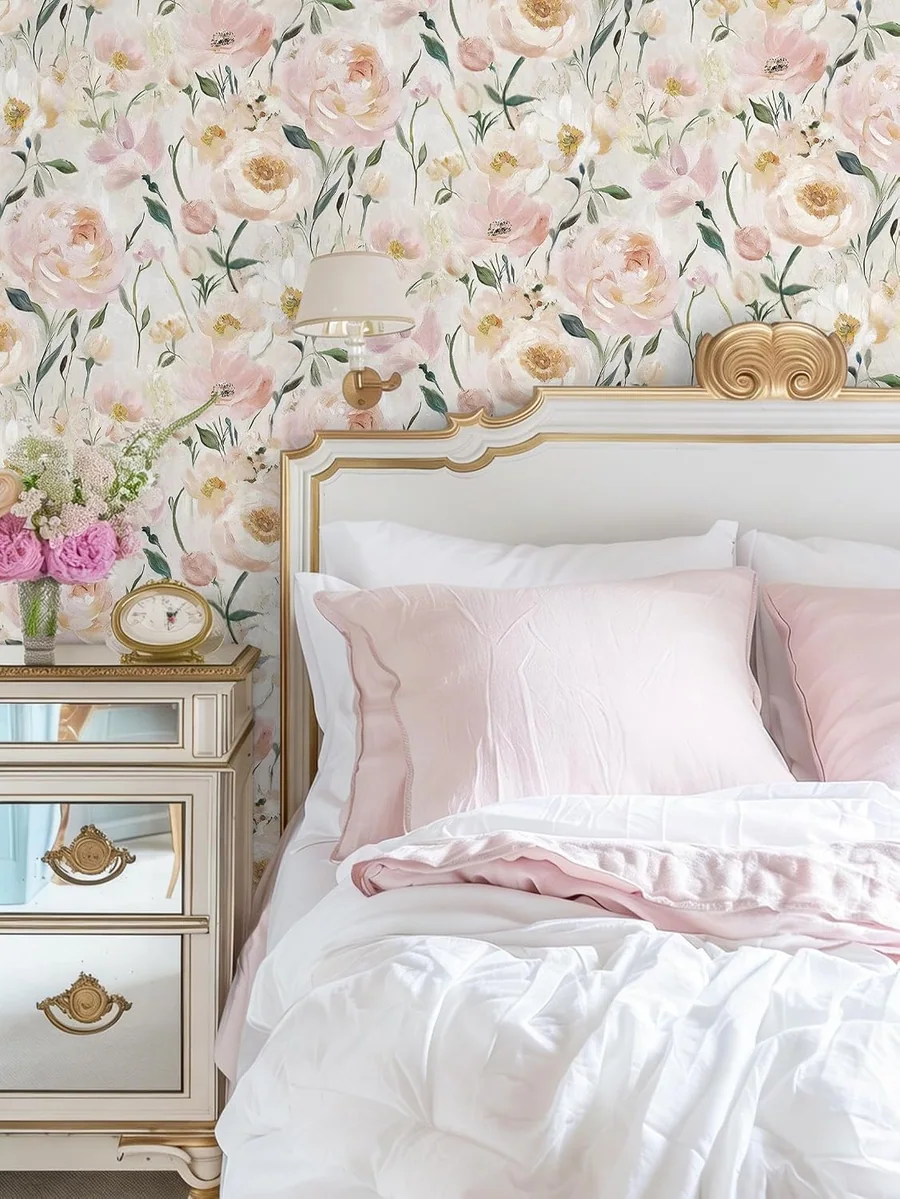
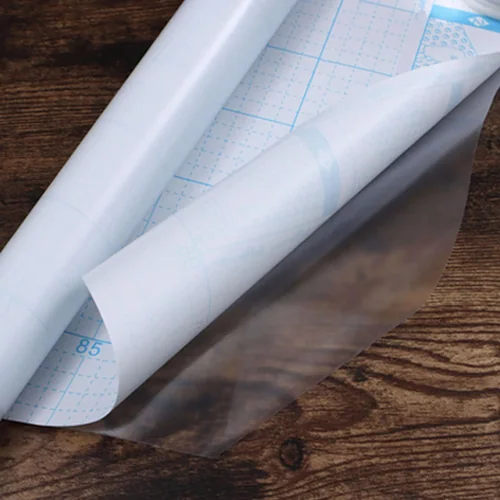
 Blue Large Watercolor Floral
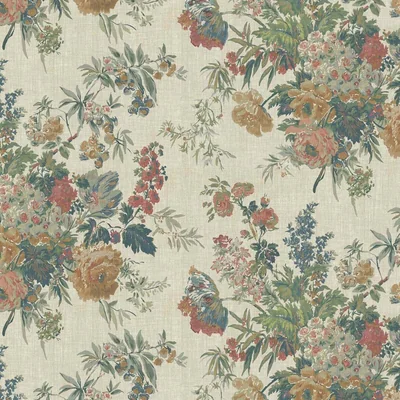 Farmhouse Chintz Floral
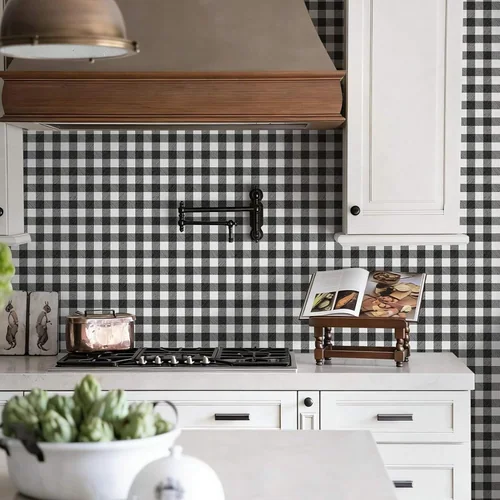
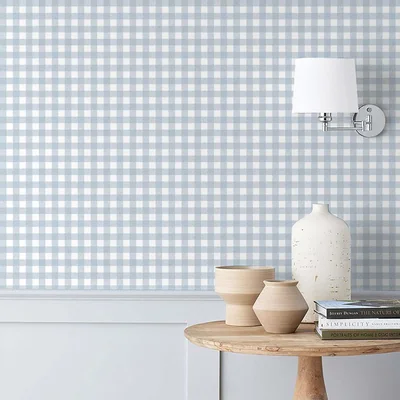 Light Blue Gingham
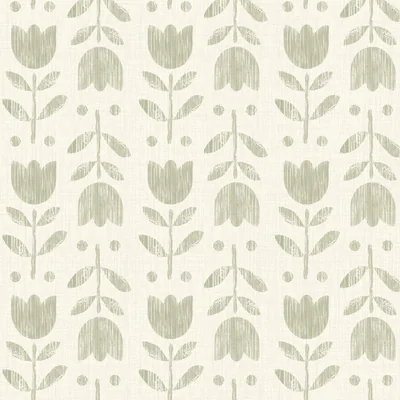 Sage Tulip
 Pink Peony
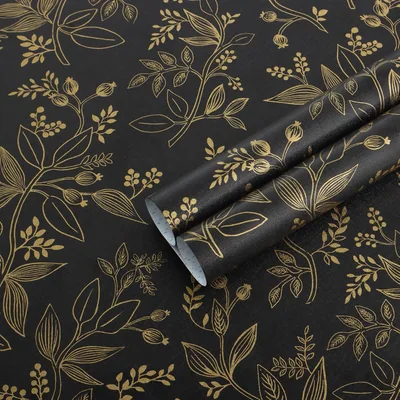 Black and Gold Modern Floral
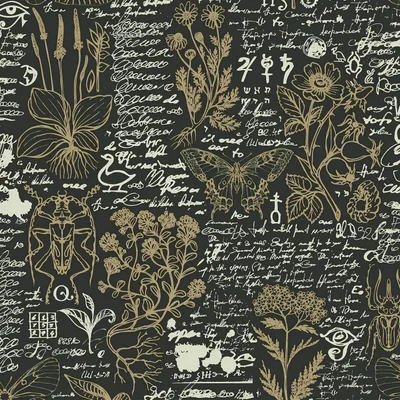 Black Leaf
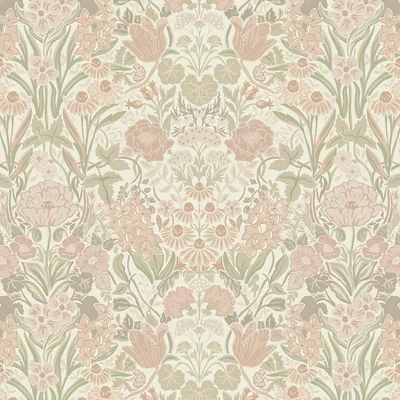 Pink and Green Vintage Floral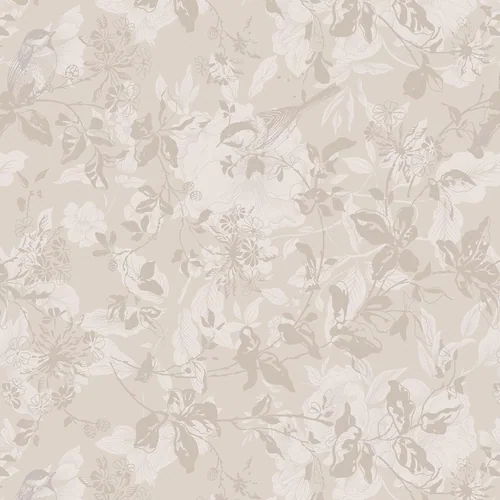
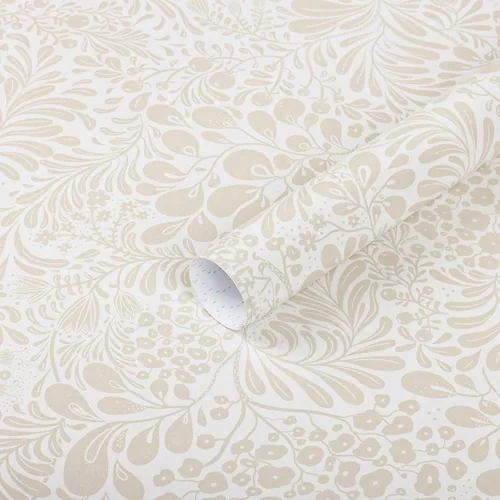
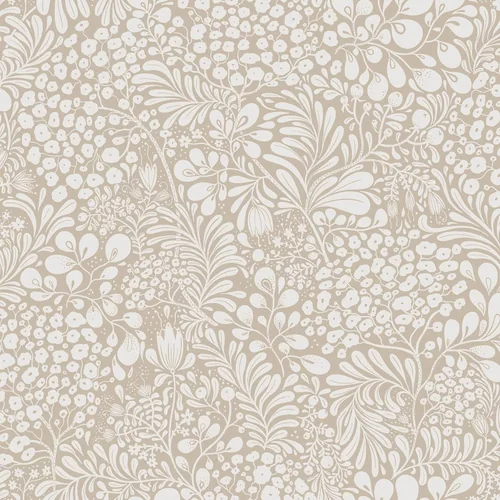
Beige Brown Watercolor Floral
17.3 in wide · straight match
17.3 in × 16 ft
Try This Pattern on AmazonPeel it, stick it, peel it off again. How to hang peel and stick wallpaper
Peel and stick wallpaper since 2017
Heroad makes self-adhesive wallpaper and contact paper for walls, cabinets and drawers. You cut it with scissors, smooth it on by hand, and peel it off again when the lease ends.
Start with the colour you already live with. A design sits under every colour it carries, so a black and gold print shows up in both.
Watercolour roses, cottage sprigs, chintz and dark botanicals. Our florals are printed on a matte vinyl face that hides small bumps in an old wall better than a gloss would.
17.3 in wide · straight match
17.3 in × 16 ft
Try This Pattern on AmazonHeroad began in 2017 with one roll of wood grain contact paper and a tired rental dresser. We could not paint it and we could not replace it, so we covered it. When the lease ended, the paper came off in long strips and the dresser went back the way we found it.
That is still the job we design for. Our wallpaper is for the walls, cabinets and drawers you are not allowed to change, or not ready to change for good. You should be able to try a colour for a year and then take it down without calling a painter.
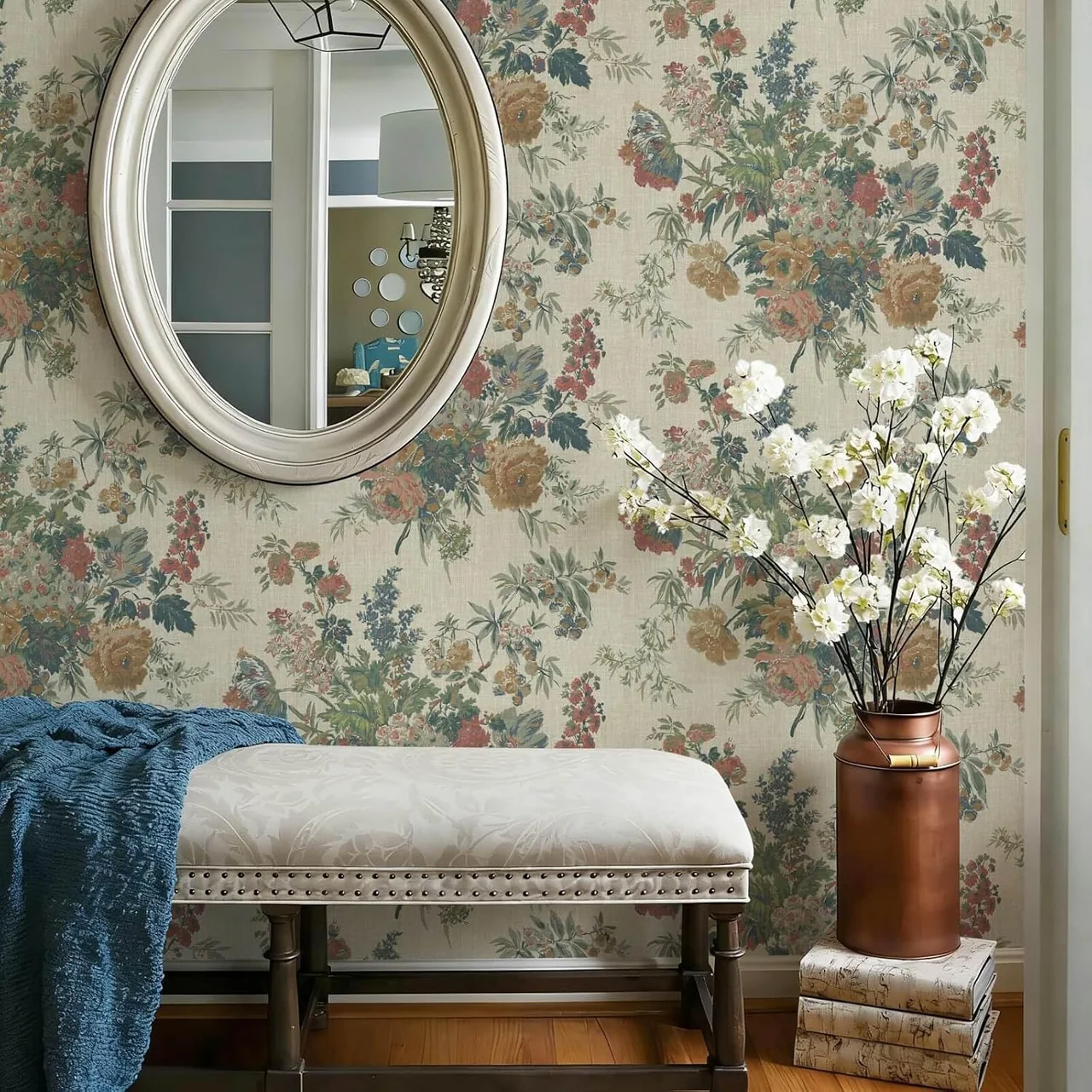
Small repeats forgive a wobbly first strip. If this is your first wall, a gingham or a busy boho print is a kinder place to start than a big floral.
Put in the wall and pick a roll. We count full-height strips, so a short roll on a tall wall tells you so instead of giving you a number that will not work.
Most of our rolls end up somewhere other than a living room wall. Here are three of them, each with the design you see.
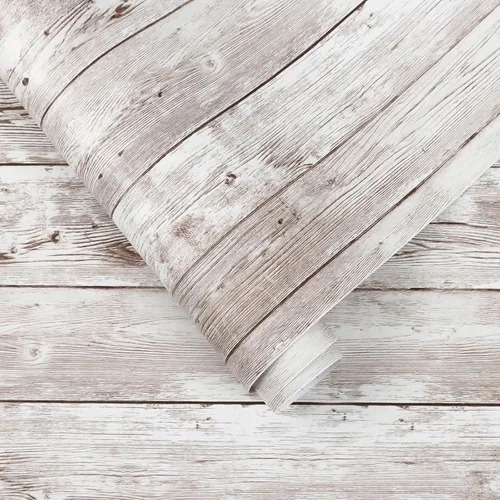
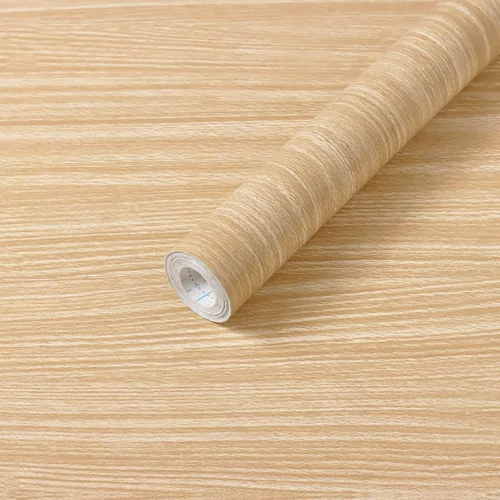
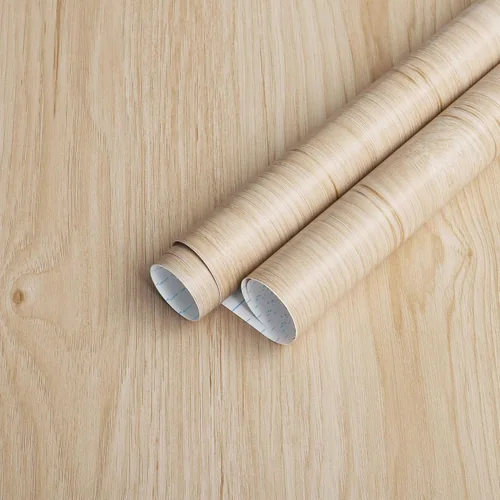
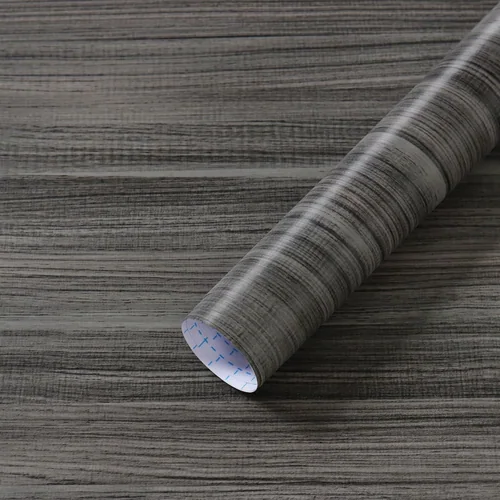
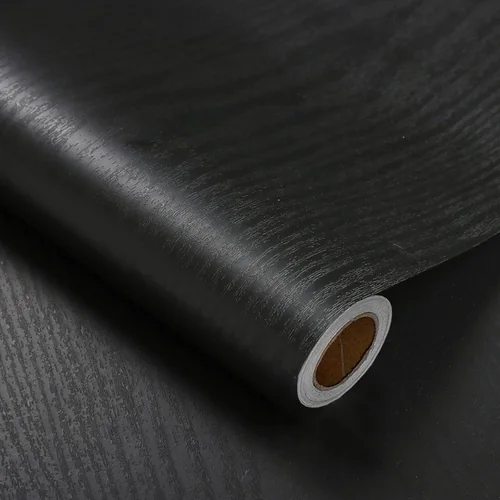
Our wood grain started it all. It is the paper people put on a laminate counter, a hollow door or a scuffed dresser, and one of our wood grains comes in widths from 11.8 to 23.6 in.
Before a print joins the Heroad range it spends a month on a test wall in Des Moines: near a kettle, in a small bathroom, and on a sunny stretch of hallway. We watch the edges and the seams, then we peel it off and look at the paint underneath.
Some designs do not make it. The ones that do are here, 146 of them today, in rolls from 4.9 to 66 feet. The card shows the price per square foot next to the price, because the longest roll is not always the cheapest way to cover a wall.
We are not the right paper for every wall, and the section below says where we fall short.
Five steps and a pair of scissors. The printed grid on the back paper does most of the measuring for you.
Wipe off dust and grease with a damp cloth, then let the wall dry. Skip any wall painted in the last few weeks.
Cut each strip about 4 in longer than the wall is tall. The grid on the back paper keeps the cut square.
Peel back only the top of the backing, line the strip up with a pencil mark, and press it on at the ceiling.
Pull the backing a little at a time and smooth from the centre out with a card or a soft squeegee.
Run a sharp blade along the ceiling and the skirting board. Change the blade often and the cut stays clean.
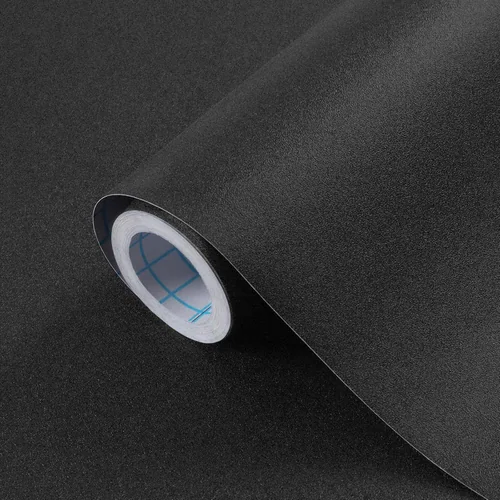
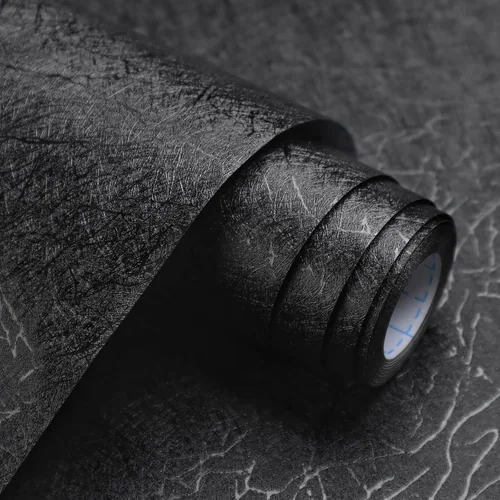
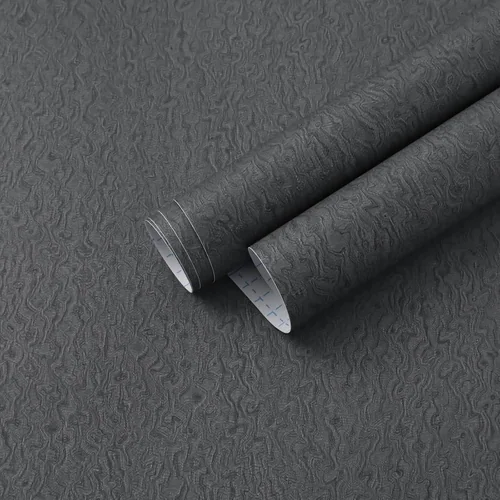
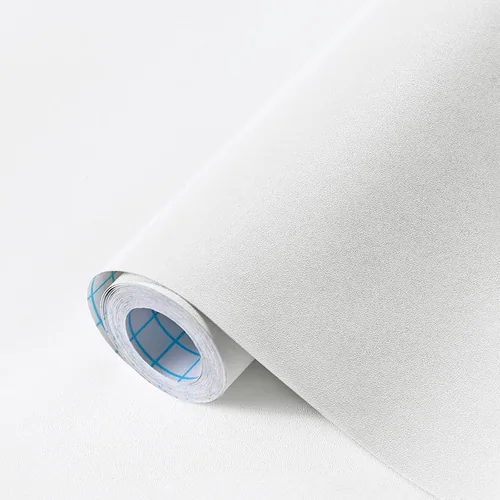
Plain matte and silk colours for a whole wall or a dated cabinet, two-roll sets that pair a pattern with a wood, and clear film to guard a shelf or a desk.
Heroad rolls are vinyl with a pressure-sensitive adhesive, backed by paper with a printed grid for cutting. You smooth them on from the top, lift and move a strip if it goes crooked, and trim the ends with a sharp blade.
We sell the rolls as waterproof and removable, and on a sound, cured, painted wall that is what our test wall shows. On fresh paint, deep texture or a wall that stays damp, the same paper behaves worse, and we would rather you knew that before you buy four rolls.
If a pattern needs matching, the product page says so. Random-match and no-match designs waste the least paper, and they are the easiest ones to hang alone.

On a sound wall with fully cured paint, it should peel off clean. Pull slowly and low, close to the wall. Fresh paint, flat matte paint and chalky old walls can lift, so try a small piece in a corner first.
Yes, on the drier walls. The vinyl face wipes clean, but steady steam in a shower splash zone or right above a kettle can make the edges lift. Keep a vent fan running and leave a gap around the shower.
That is what a lot of our wood grain, solids and contact paper get used for. Clean off grease first. A counter takes knocks and hot pans, so keep trivets under anything hot and expect wear at the front edge.
Light texture is fine. Heavy texture like orange peel or knockdown stops the adhesive from sitting flat, and the bumps show through the print. A skim coat, or a smoother wall, works better.
We would rather you hear this from us than from a wall.
Printed word for word, the lukewarm ones too. A rating is shared by every length and colour of a design, and we count each pool once.
I use this on the unfinished wall in my laundry room. It was part of a large project I did revamping the entire room and I am really pleased with this peel and stick. I've gotten many compliments on it.
This contact paper worked great for my closet shelving. It was easy to use, looks great, and gave my shelves a fresh, updated look. Very happy with how it turned out!
I installed this under my bathroom and kitchen sink. They look really nice (almost like a real wood). They have held up really well! Highly recommended.
Use the roll calculator. It counts full-height strips from each roll, so it gives an honest number for your wall height and roll length. Order one or two spare strips for a pattern that has to match.
The pattern has to line up across the seam at the same height on every strip. It wastes a little paper at the top of each strip. Random match and no-match designs can be hung without lining anything up.
They come from our last update on 27 September 2026. We update on a schedule, so a price can move in between. The price at checkout is the one that counts.
The buy button on each card takes you to our retail partner. Payment, delivery and returns all happen there at checkout.